
Estamos fechados de x a y
The microclimate of Fajã dos Padres favours the growing of subtropical species, some of which would hardly adjust to the remaining areas of Madeira.
Mangoes, avocado, banana, grapes and, in a smaller scale, a wide set of exotic fruits such as papaya, pitanga (surinam cherry), araça (a brasilian fruit) figs, passion fruit, tabaibo, pineapple, and even pomegranates, fill the environment of Fajã with colours and tropical flavours.
Since the earliest days of settlement in Madeira Island, the agricultural potential of Faja dos Padres has been harnessed. The fertile land motivated settlers to invest significant effort into developing this isolated spot, which remained hard to access until about forty years ago.
Vineyards were established from the beginning and were greatly improved by Jesuit priests. After the Madeira wine industry suffered a decline in the 19th century, sugar cane became the main crop, dominating much of the land until the early 1930s. At that time, the “Cape line” initiative encouraged the cultivation of export products destined for England.
Following World War II, tomatoes, sweet potatoes, and other vegetables were almost entirely replaced by bananas. Vegetables have since been grown mostly for local consumption.
Banana plantations covered the entire expanse of Fajã for nearly thirty years. Because bananas are a year-round crop, farming continued throughout the year. However, shipping the produce proved challenging, as everything had to be transported by sea, with goods being loaded directly onto the beach.
In the early 1980s, the property underwent major changes. Mechanical techniques and automatic irrigation systems were introduced, along with new crops in addition to bananas. The malmsey vineyards, which had previously disappeared, were revived, and a variety of new sub-tropical fruit crops were planted to take advantage of the unique microclimate.
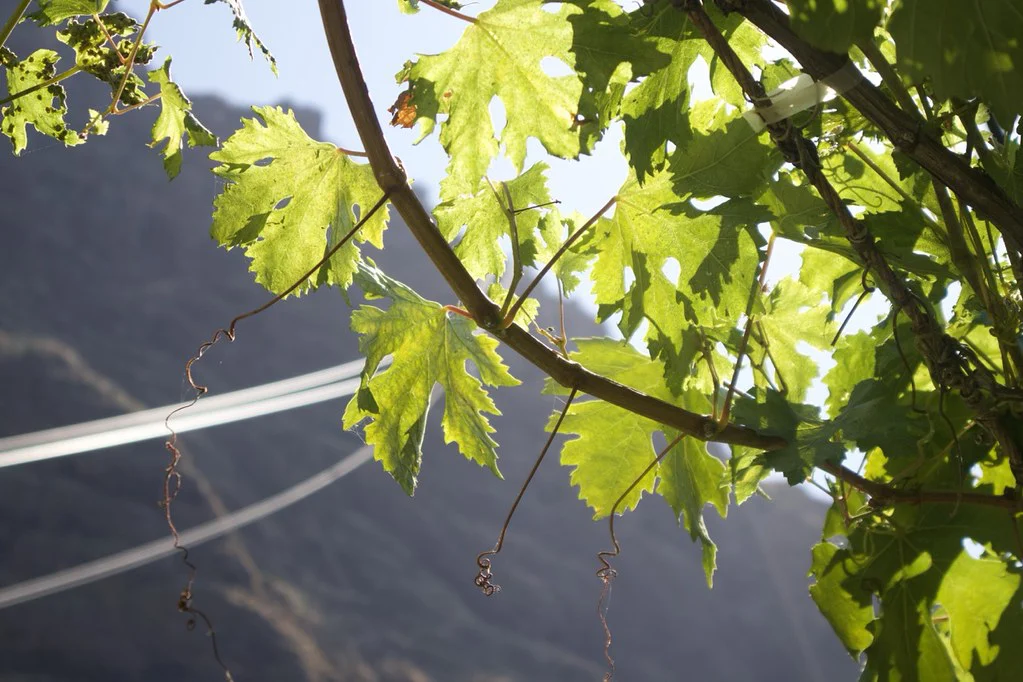
Malvasia Cândida is the most emblematic production of Faja dos Padres.
Cultivated for more than 600 years, this rare and special vine variety makes some of the more exclusive Madeira wines.
In the past decade, a small Terrantez vineyard has been replanted at Faja dos Padres.
Terrantez is another uncommon grape variety, known for producing exceptional Madeira wines. .

“There are sweet mangos with balanced acidity, others with sweet, green notes, and examples with an explosion of honeyed sweetness and a buttery flesh that melts in the mouth, provoking waves of pleasure and lust. The shapes are equally diverse, with some small, round mangos standing out, with a narrow, short pit that allows almost complete use of the pulp.”
In “Mangos” da Fajã dos Padres, in “T.O.P. Tesouros de Origem Portuguesa”, Fortunato da Câmara
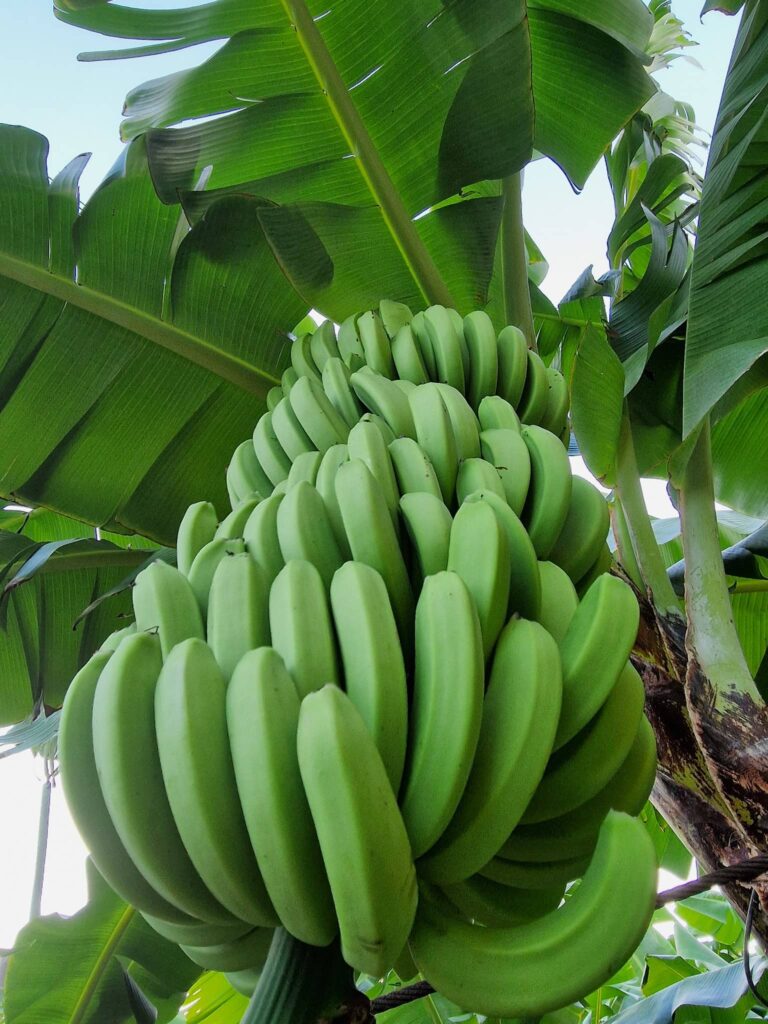
The banana plantation occupied the entire Fajã dos Padres area for about 30 years until the late 1980s.
Today, it covers a part of the property enchanting visitors who stroll through it during their visit to Fajã dos Padres.

Around 10 varieties of avocados trees were introduced in the 1980s, at the same time as mango trees.
The warm, moist air, combined with fertile volcanic soil, creates an ideal environment for avocado trees. .

Surinam cherry is a fruit native to South America, common in Brazil.
The Surinam cherry tree is very well adapted to Fajã dos Padres, where two varieties are produced.

Vegetables such as lettuce, beetroot, tomatoes, and beans are grown throughout the year, providing fresh produce for the restaurant and several nearby hotels.